In April 2019 in a moment of brilliant optimism my wife and I bought ten crossings on Le Shuttle; they had to be used within twelve months but it was worth ‘buying in bulk’ for the discount ,and why wouldn’t we want to commit ourselves to getting away to continental Europe at least five times in the next year? We say “Bugger Brexit”. In April 2019 we went to Dijon, in July ,in the midst of the heatwave, we drove to Paris to spend a week looking after some friends’ dog and in September we were due to spend three weeks looking after a cat in Strasbourg. Disappointingly, we never made it to Strasbourg; in a personalised prototype of the current global shut-down, my life was put on hold as I spent five weeks in hospital and the best part of six months recuperating. But now I am at last repaired, and there’s a rush to use up our six remaining crossings. At the end of January we spent a few days in Belgium, foolishly departing early on the Saturday morning to catch Ipswich Town v Oxford United instead of staying to join the 4,423 who enjoyed KV Oostende v Sint-Truiden, and then a couple of weeks ago we arranged a long weekend in Boulogne and Calais, planned to coincide with US Boulogne’s Friday night fixture in Ligue National (the French third division) against Lyon Duchere.
Life is sweet we thought and with US Boulogne in third place it promised to be a lot of fun; but on the morning of our departure the game at the Stade de la Liberation in Boulogne is called off, supposedly because of windy weather; but all twenty games in the Ligue 1 and 2 programmes are already postponed because of Coronavirus and within a few hours the whole of the Ligue National programme is cancelled too. To add to our disappointment we had thought we were blessed by having succeeded in booking into a hotel with free parking opposite, which is a mere 300m walk from the stadium, and this had had us fantasising about being able to comfortably stagger back from the match hi on frites and Kronenburg, fine wine and third division football.
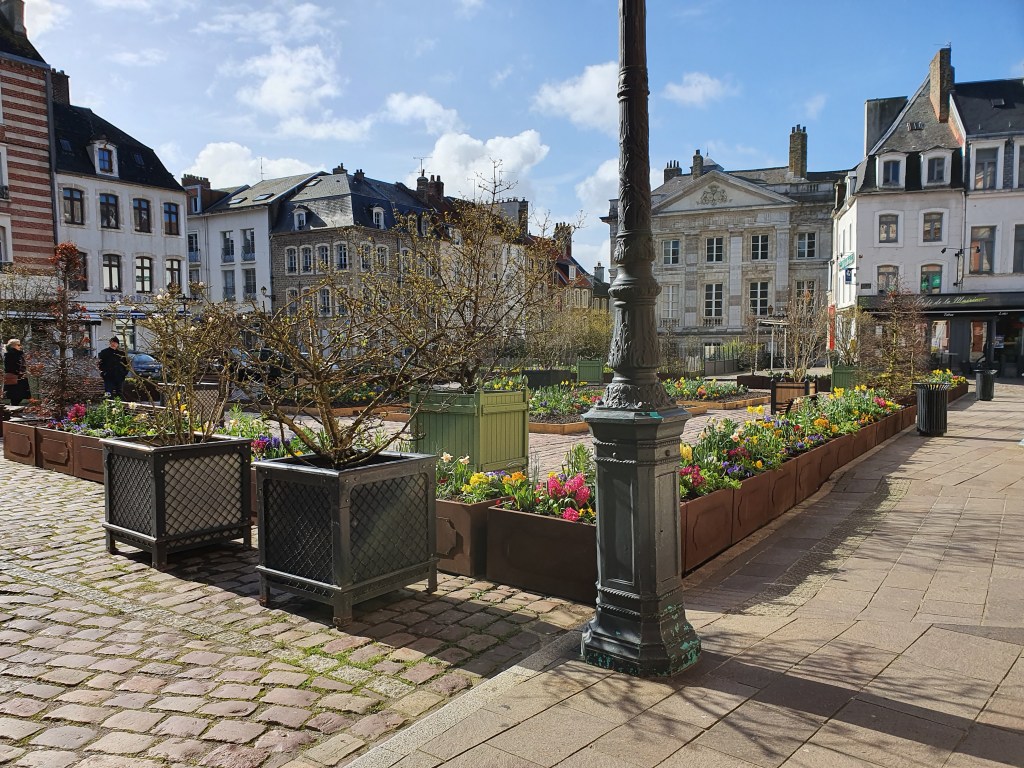
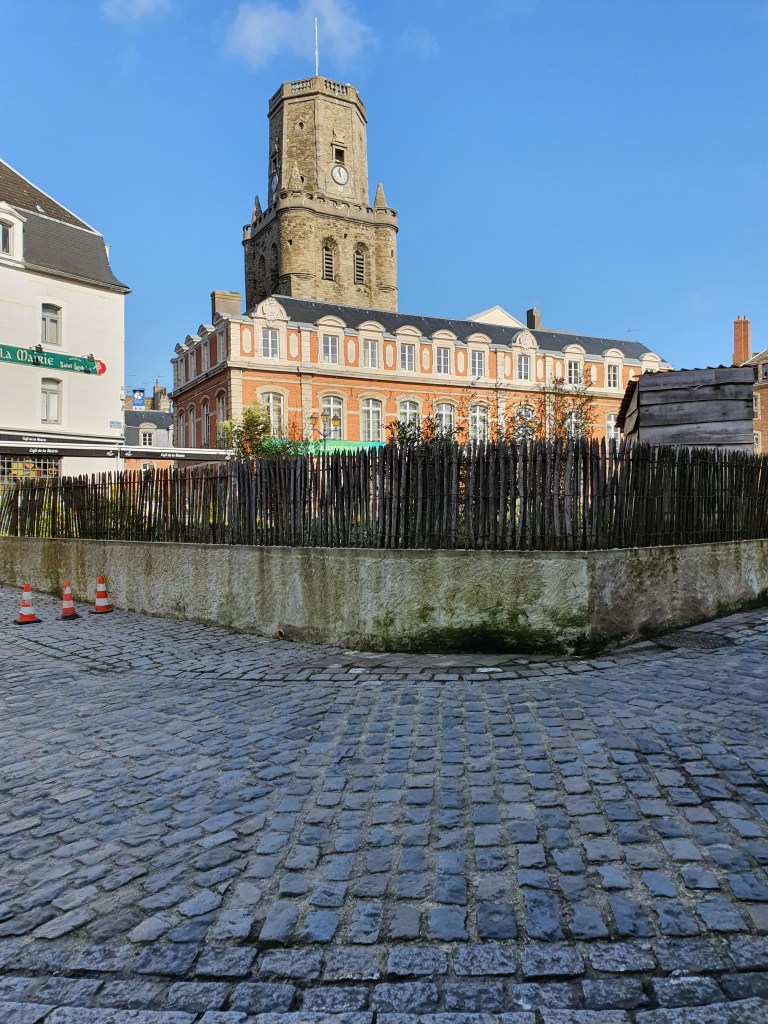
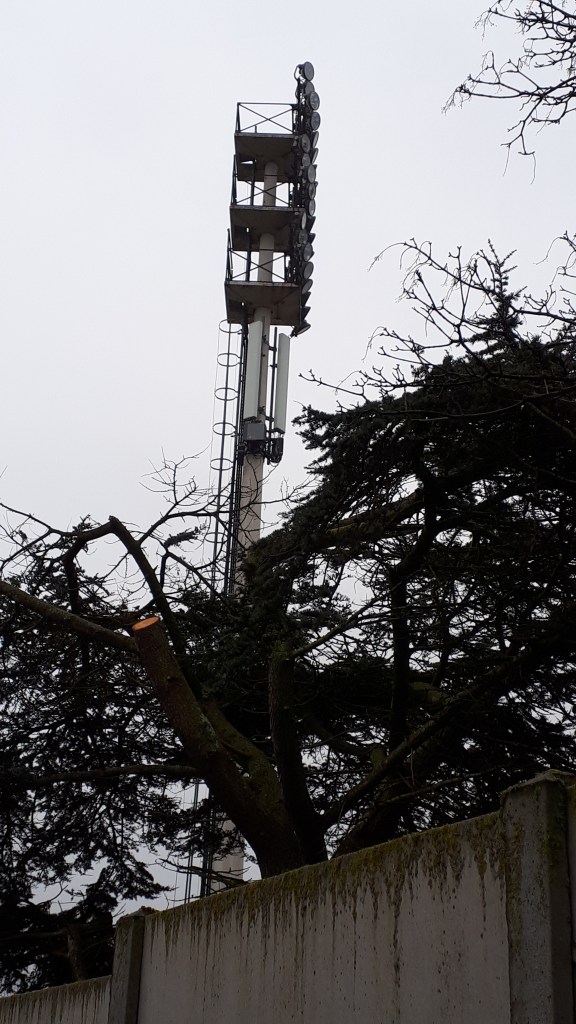
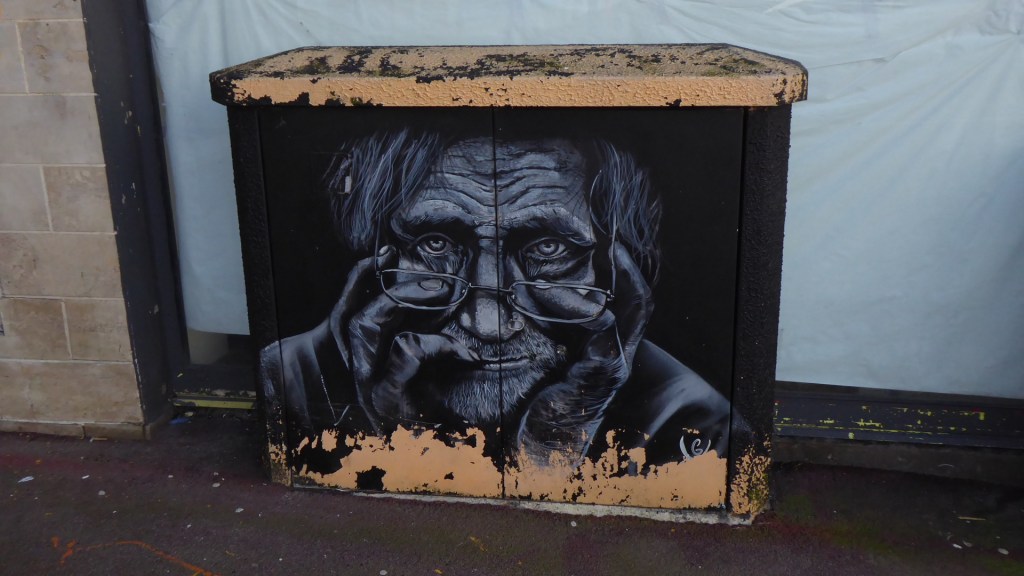
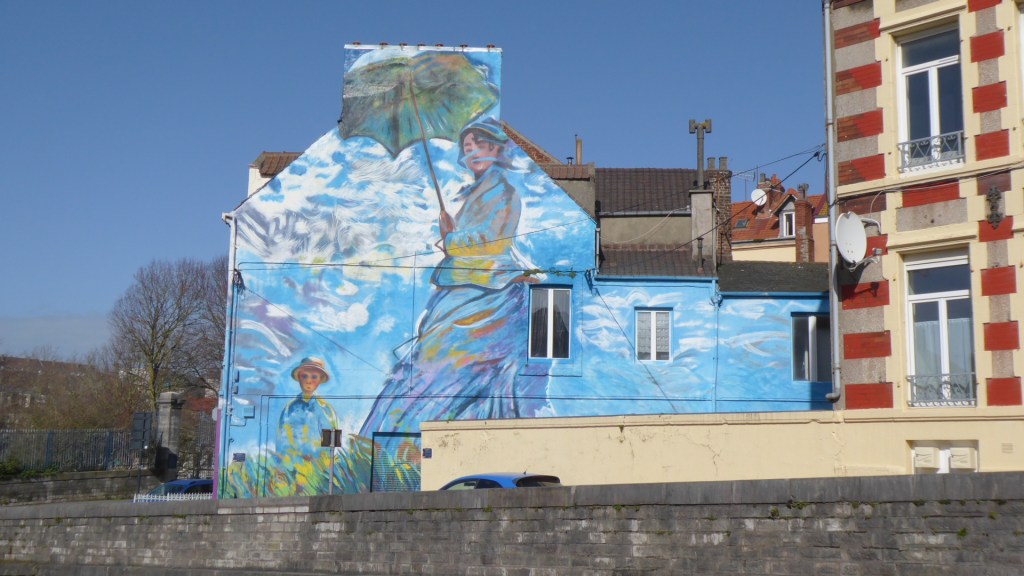
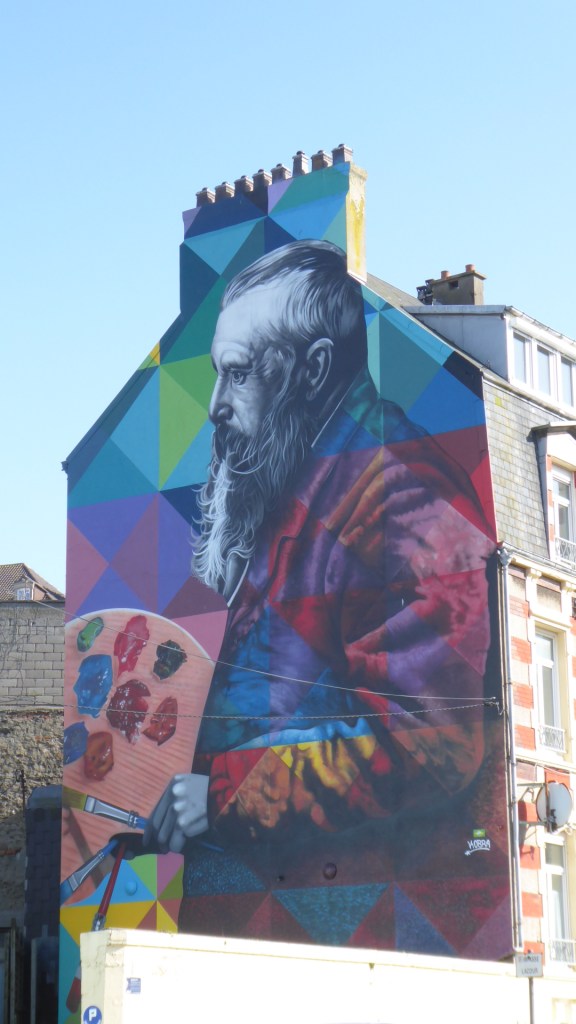
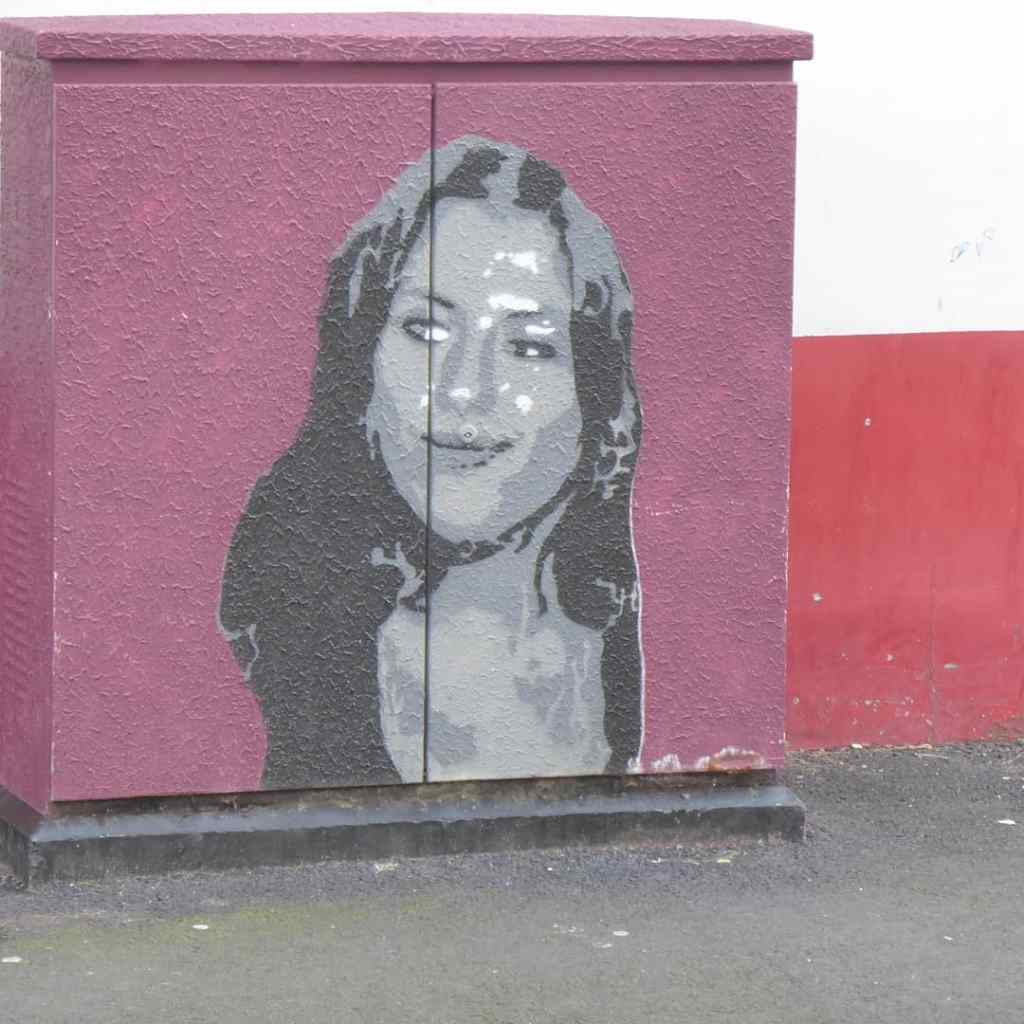
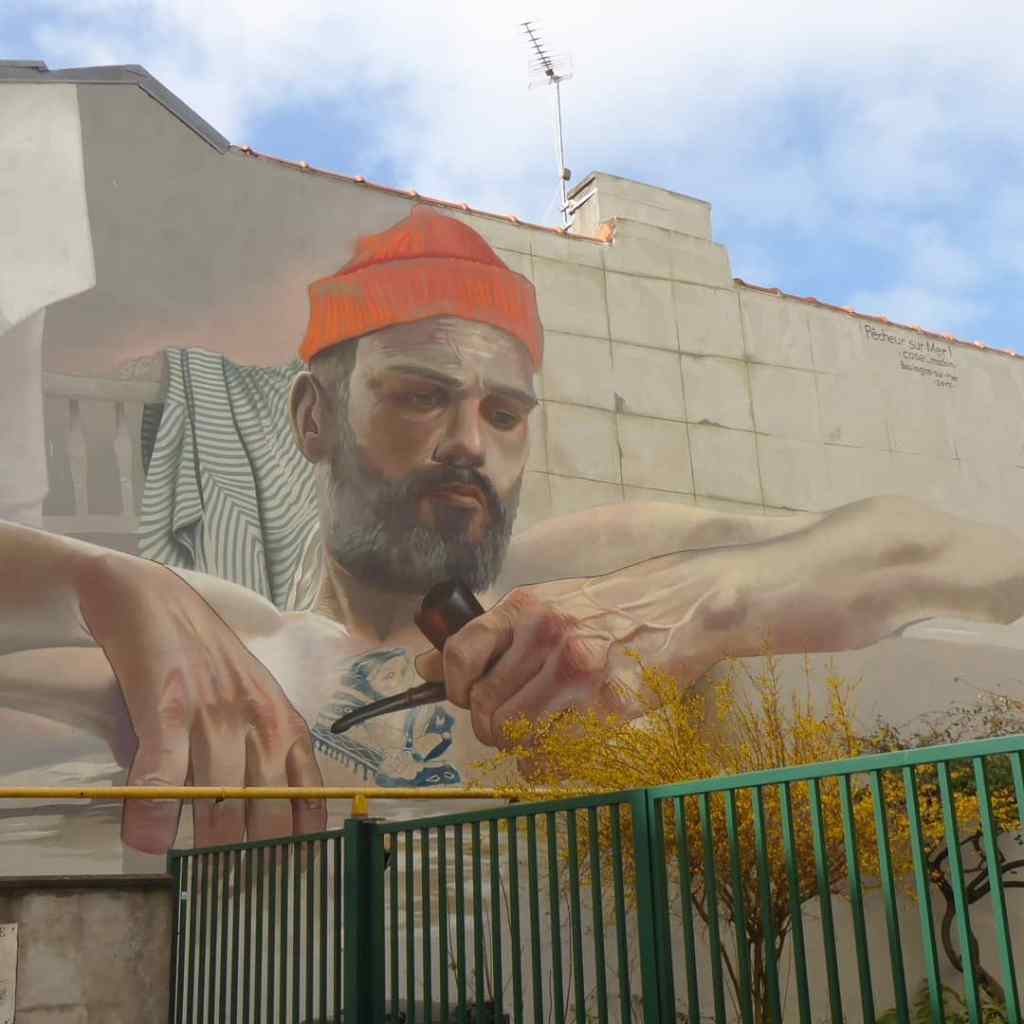
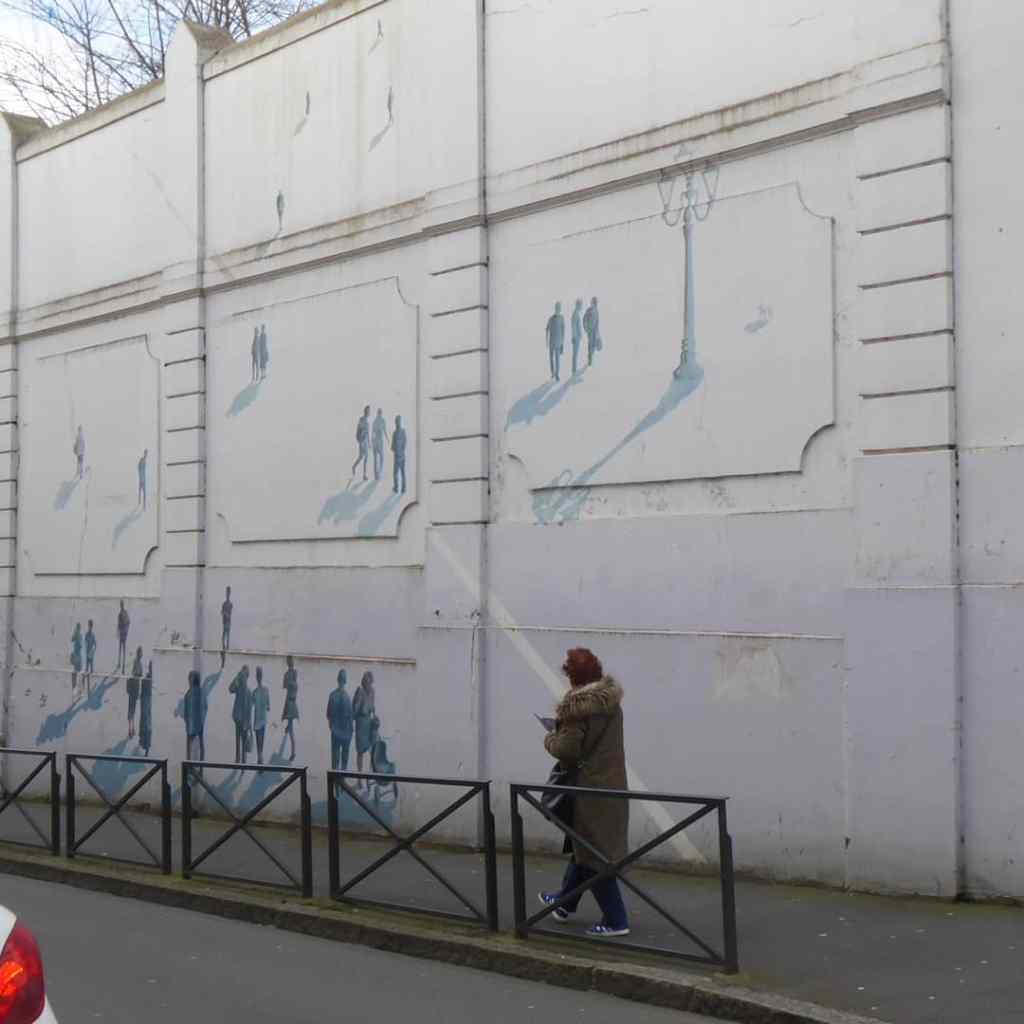
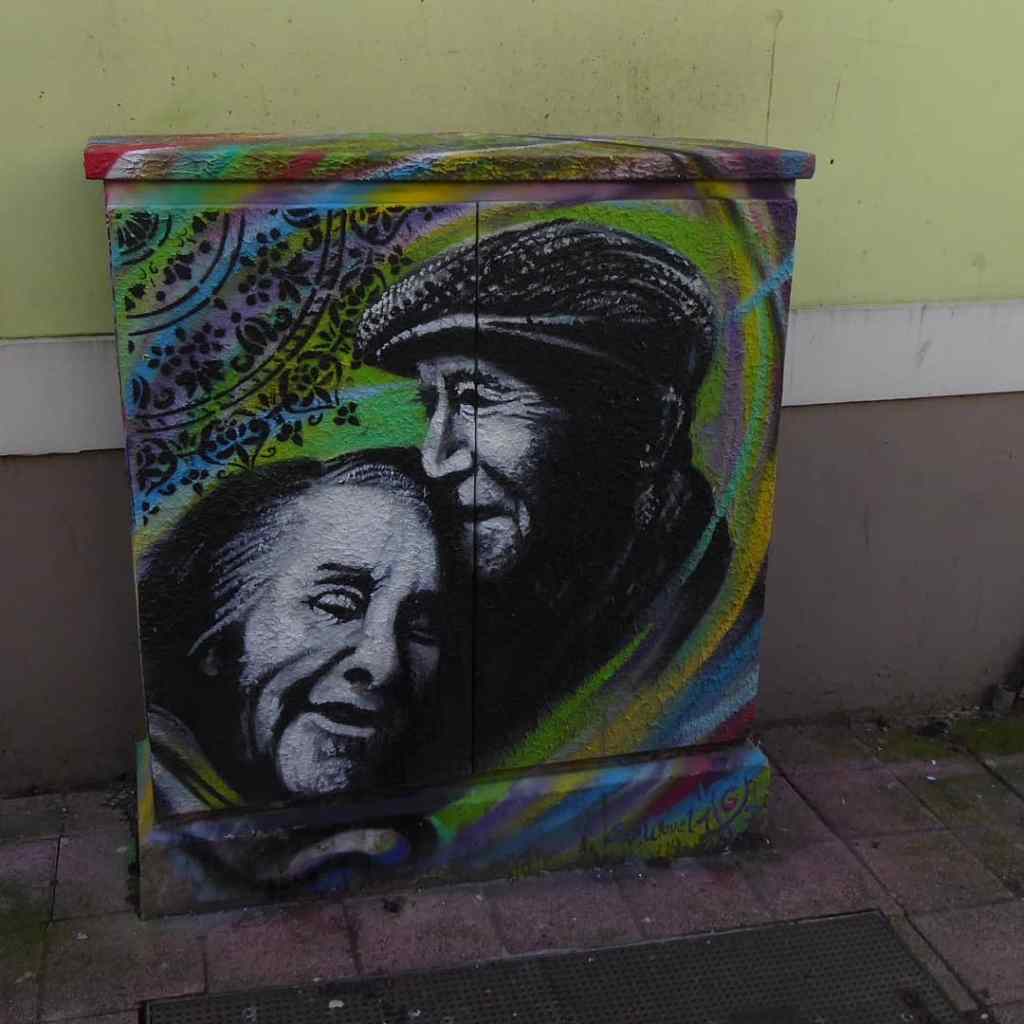
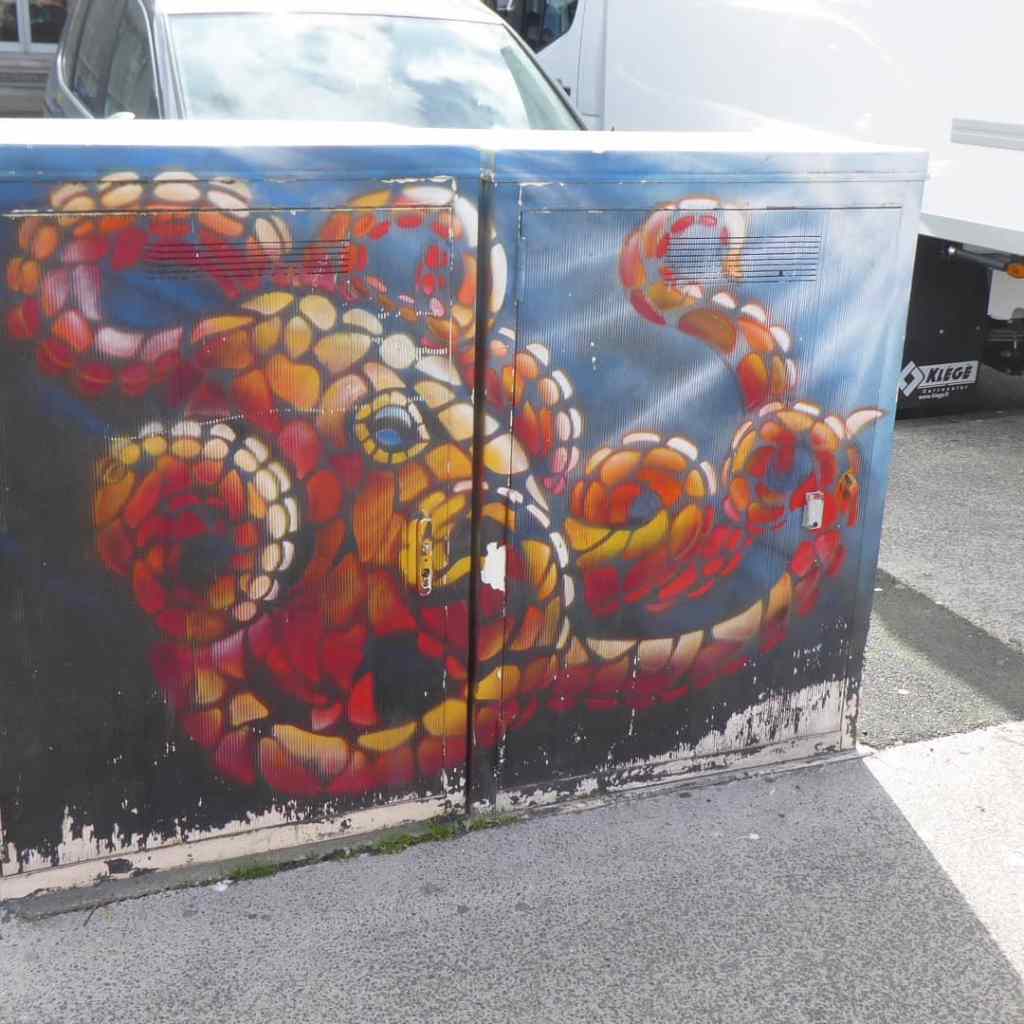
Friday is a beautiful sunny day with Boulogne-sur-Mer looking at its best, aided perhaps by no one much being about as schools and colleges begin to close and people stay at home due to Covid-19. We enjoy the street art on the gable ends of the town houses and telecom equipment boxes, I drink Chimay trappist ale at a street café whilst my wife drinks pastis, we walk the town ramparts and visit the cathedral crypt, I buy a postcard and we sit in the sun. Our day ends with a pleasant meal in a small restaurant in the centre of the fortified old town. I forget about the football but for a brief glimpse of a single floodlight pylon at the end of the road as we step from the hotel and cross into the old town. I sleep well and dream sweet dreams.


On Saturday morning the puddle of standing water on the flat roof outside our hotel room window ripples with falling rain drops. After breakfast we will depart for Calais, but first I must give my regards to the Stade de la Liberation and head out into the fine drizzle that is coming directly off the English Channel and dropping on Boulogne-sur Mer. Not wishing to provoke her asthma, my wife remains in our room watching the drama of the Corona virus unfold on French TV, when not looking for Les Lapins Cretins on the cartoon channel. But I have to get a measure of what I missed last night and imagine what I might have witnessed under the beams of those four floodlights.
The floodlights of the Stade de la Liberation peak over the roof tops around the ground, appearing between high gables and block of flats or hiding behind the spreading canopies of leafless grey trees. A sign with an arrow says “Ribery” and points the way to a stand at the side of the pitch named after Boulogne’s famous son Franck, one of those players not greatly celebrated in England because like Zidane, Trezeguet and Thuram he was always just a bit too classy for the Premier League.
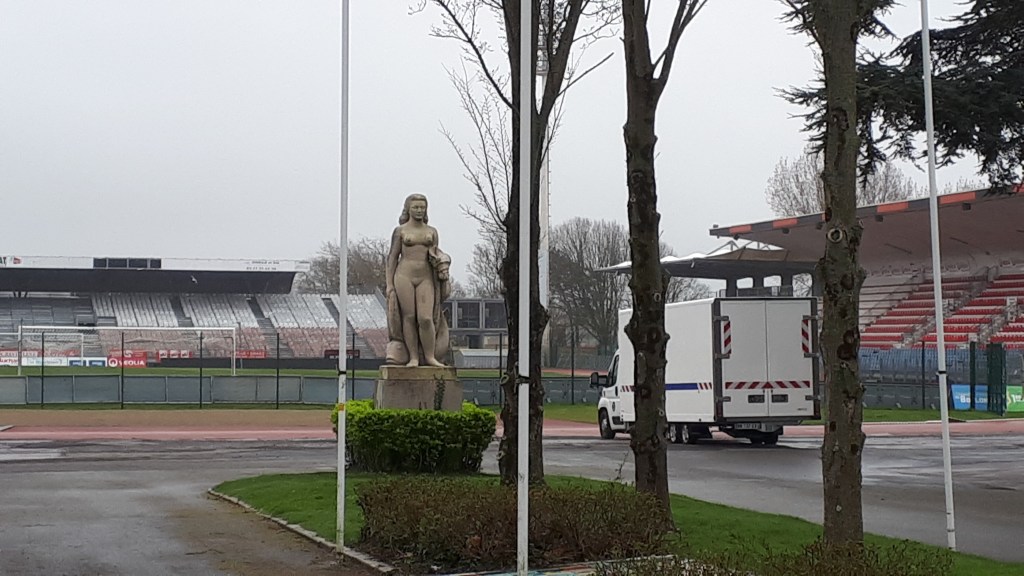
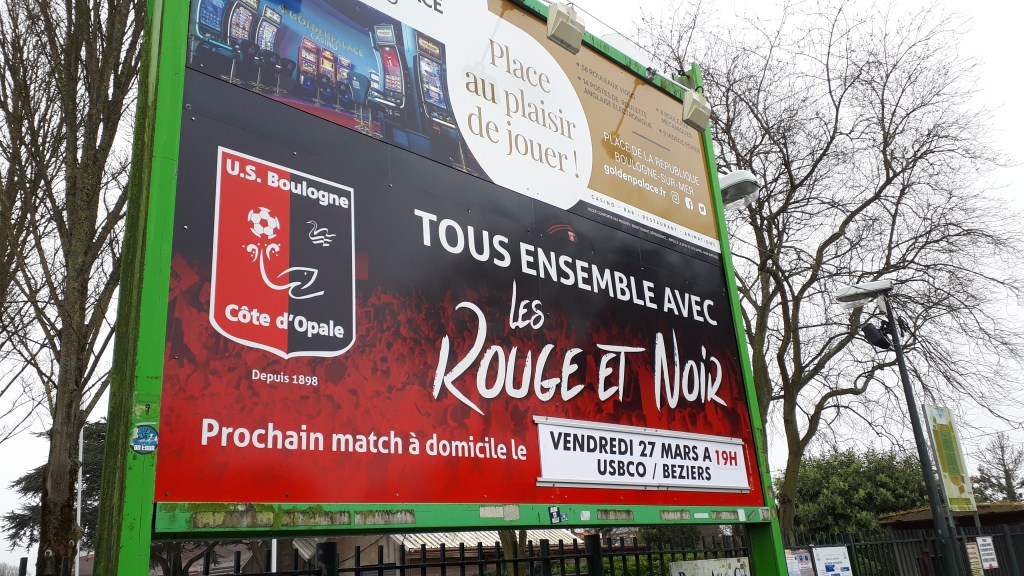
The main entrance to Stade de la Liberation is on Boulevard Eurvin where I peer through the railings across the pitch past the statue of a naked woman clutching a shell and standing on a fish. How many clubs I wonder can boast such erotic statuary combined with references to seafood, not many I’ll wager. Smiling to myself about what they’d make of such things in Grimsby and Fleetwood I turn into Rue de Dringhen and then Rue Leo Lagrange, which run behind ‘Ribery’ whilst tantalisingly offering no views of it at all. Another right turn takes me in to Rue du Vieil-Atre and more sitings of the floodlights and the entrances to both the ‘Kop’ and the away supporters enclosure. Stickers adorn the signage outside indicating that at least one supporter from Creteil, a south eastern suburb or banlieu of Paris, has been here and that he, or she, was well supplied with Creteil related stickers. If the ultras from other clubs have stickers it would seem that Creteil are the only visiting supporters to have ventured this far north and they either went nowhere else or had stickers to spare.
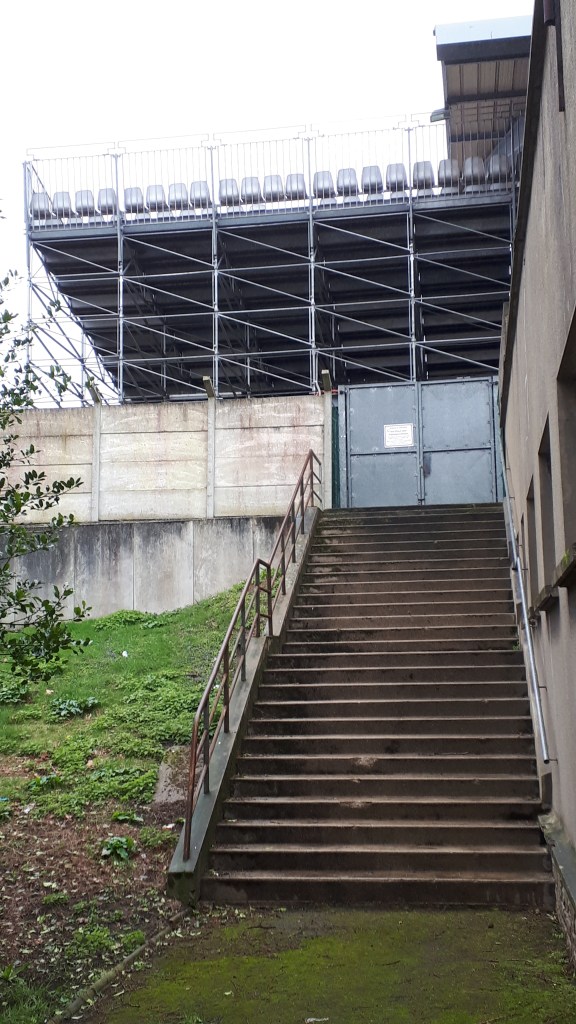
An uncovered mass of seating above a scaffolding frame looms above me as I approach the turn into Rue Hector Berlioz , another residential street that backs onto the stadium. I like that every French town has streets named after the same great French composers and writers and wonder why England is so different and why we choose not to remember Britten or Williams or Holst but to honour local councillors and dignitaries who no one has ever heard of and even less gives a toss about. Between the buildings there are glimpses of the cream painted render of the art deco style Tribune ‘Honneur’ where the posh people sit; but in truth the ground is now largely hidden but for the occasional lamp of a floodlight poking over or between the rooftops. A few more steps up the slope between parked cars and my tour of the Stade de la Liberation is over and I find myself back on the Boulevard Eurvin.
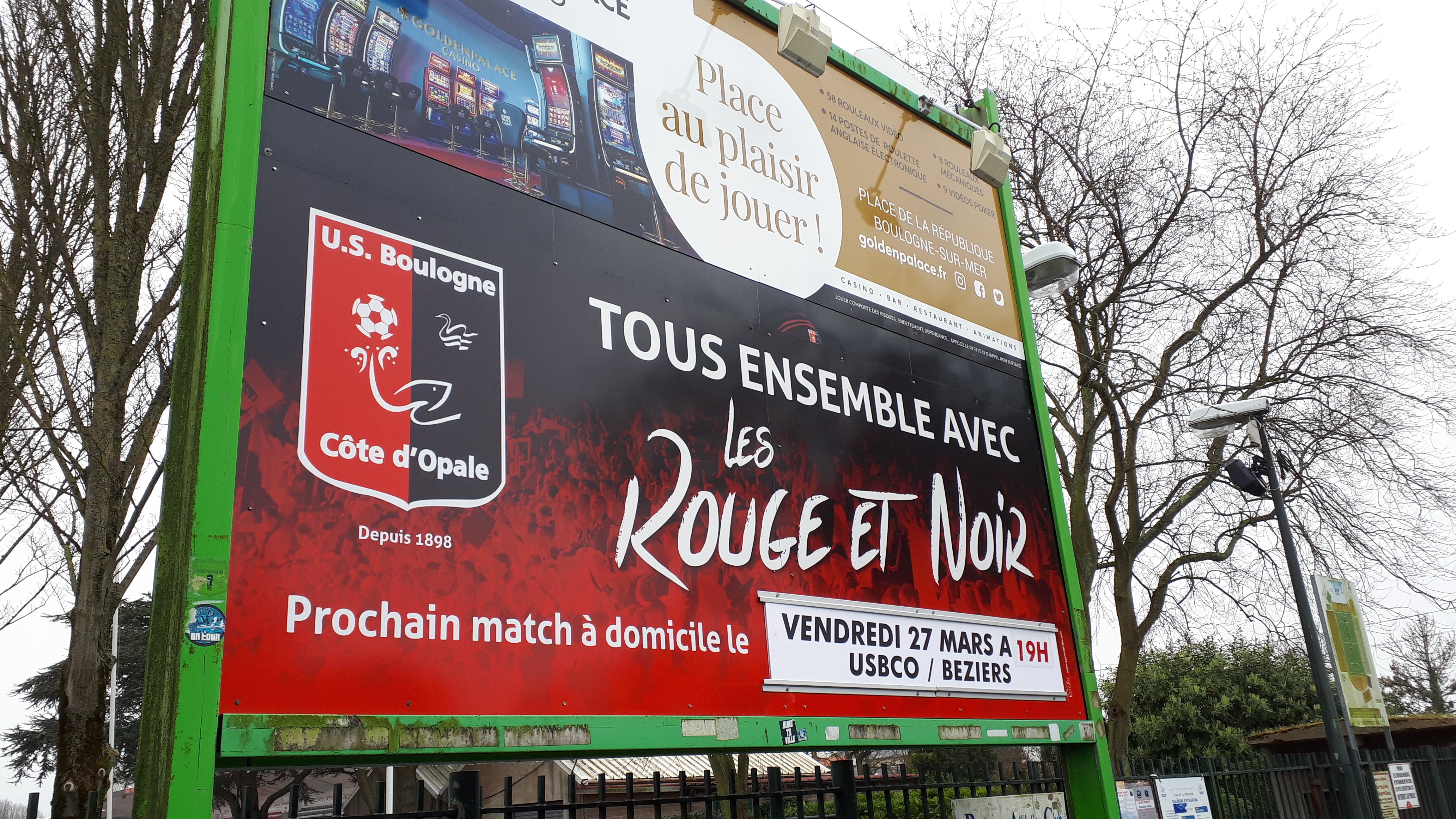
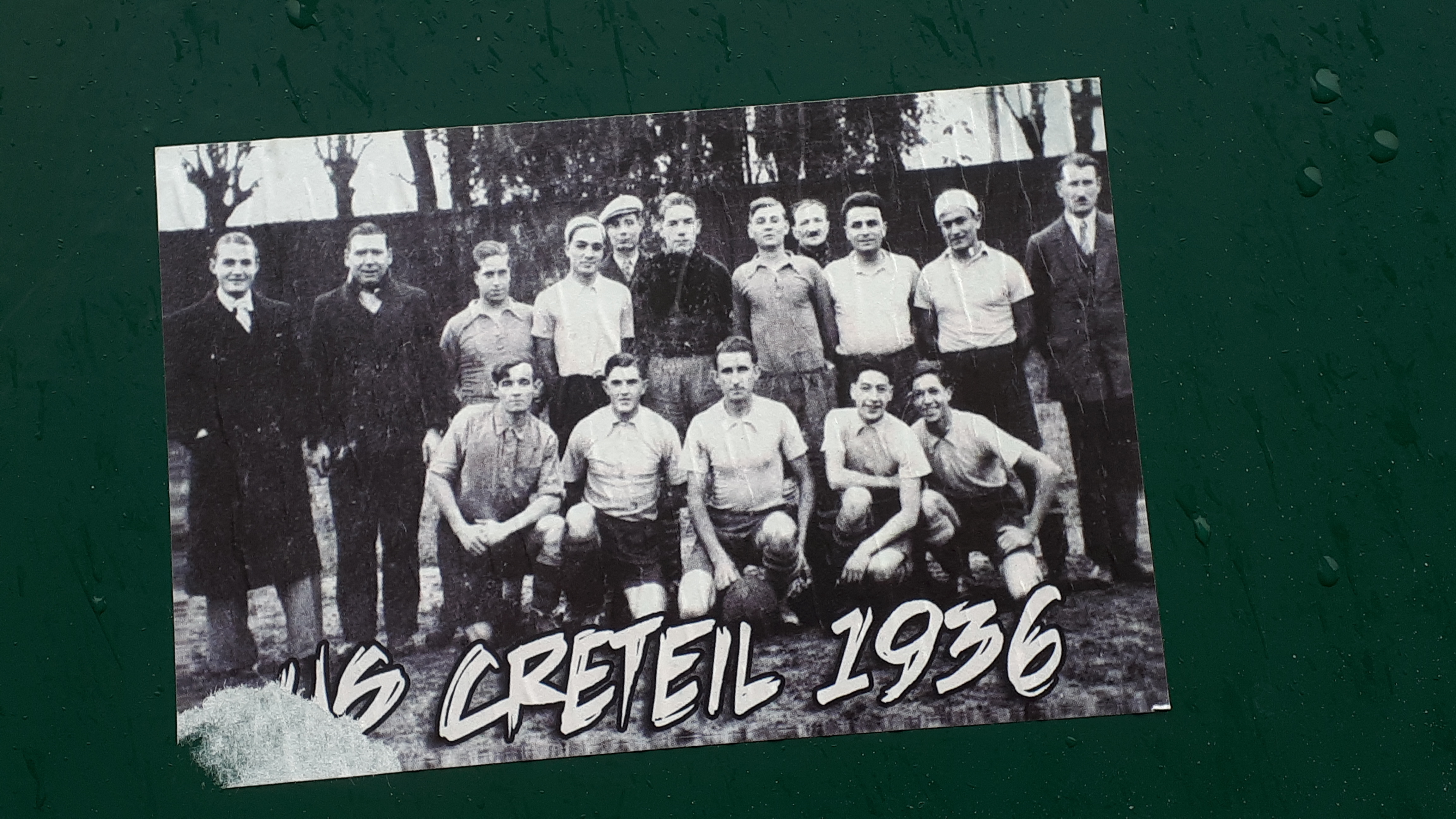

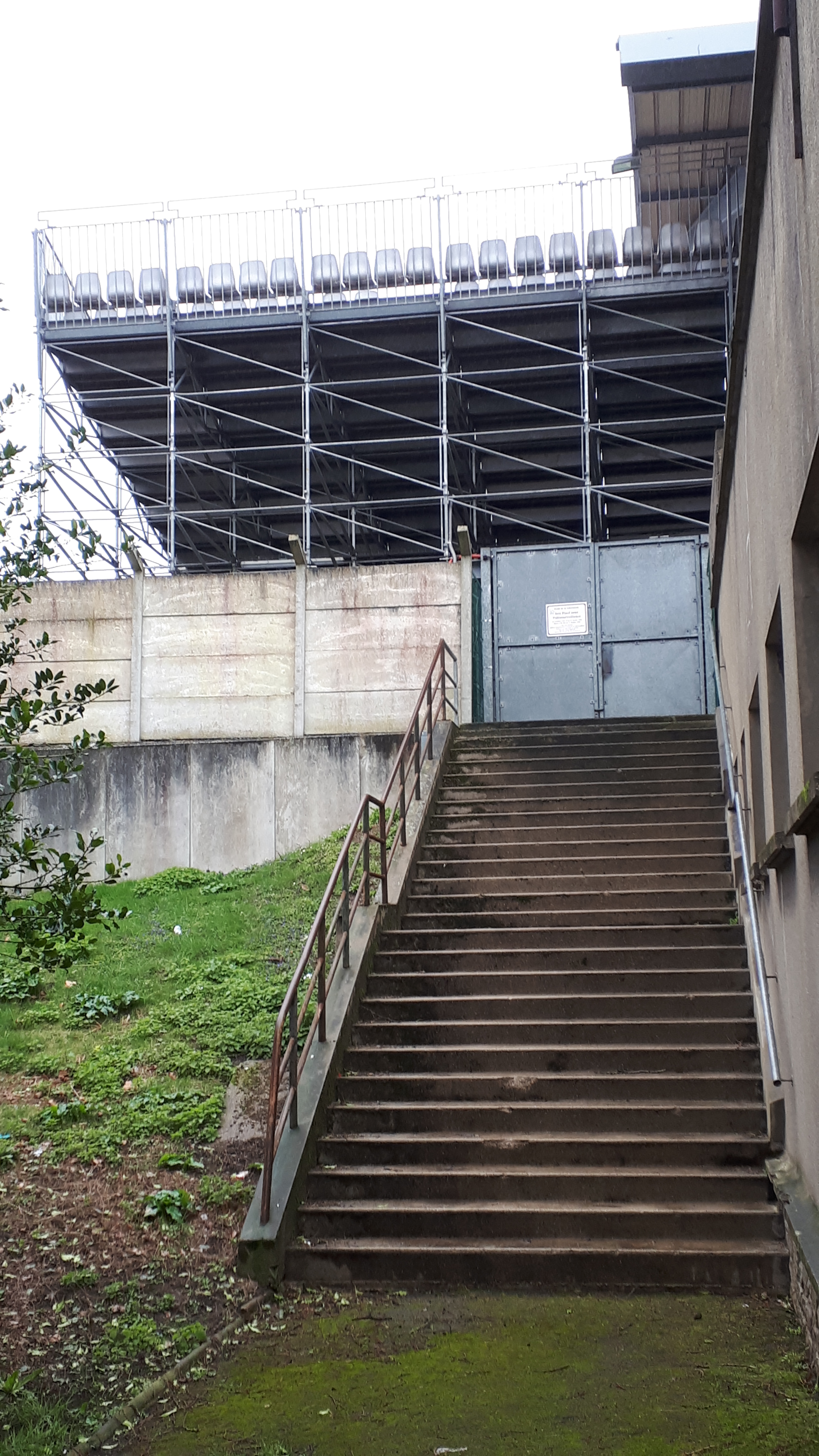
To be honest, in my ten minute walk I’ve not seen a lot of the Stade de la Liberation ,but what I have seen has been a series of snatched, tantalising half views of bits of stands and floodlights and signs and traces of those who’ve been here before, added to which my coat, my trousers and my shoes are all a little wet. I will now be sure to remember for posterity my visit to US Boulogne during the great pandemic of 2020, and I will be able to tell my grandchildren that I got wet watching a game that never happened, having not even got into the stadium. But it’s of such tales of pointless folly that football legend is made and such suffering and stupidity is what following football is all about.


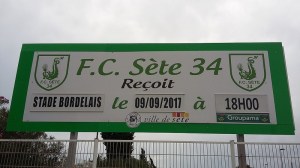 near the Atlantic coast, some 380 kilometres away by road; they have won one and lost two of their four games so far. Kick-off is at six pm and we arrive about a half an hour beforehand, parking in the spacious gravel topped car park at the side of the Stade Louis Michel, although other spectators prefer to park in the road outside. Entry to the stadium costs €6 and we buy our tickets from the aptly porthole-shaped guichets
 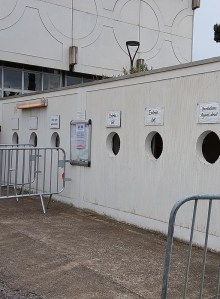 outside the one gate into the ground. Just inside the gate a cardboard box propped on a chair provides a supply of the free eight-page, A4 sized programme ‘La Journal des Verts et Blancs’. Also today there is a separate team photo and fixture list on offer.
 the brutal angular concrete of the main stand, the Tribune Presidentielle, could be from the 1960’s or 1970’s, channeling the inspiration perhaps of Auguste Perret or even Le Corbusier. The concrete panels on the back of the stand are lightly decorated and sit above wide windows; a pair of curving staircases run up to the first floor around the main entrance,
  above which is a fret-cut dolphin, the symbol of the town and the club. The stand runs perhaps half the length of the pitch either side of the halfway line and holds about twelve hundred spectators, as well as club offices and changing rooms. Opposite the main stand a large bank of open,
  ‘temporary’ seating runs the length of the pitch, it is built up on an intricate lattice
 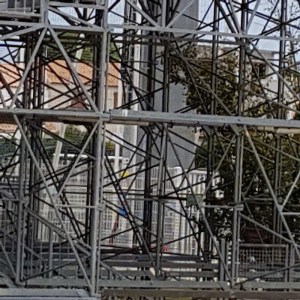 of steel supports. Behind both goals are well tended grass banks; there is a scoreboard at the end that backs onto the carpark.
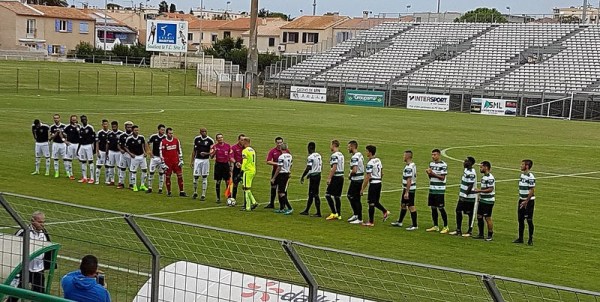 Sète in green and white hooped shirts with black shorts and socks, Stade Bordelais with black shirts with white shorts and socks. There is a ‘ceremonial’ kick-off before the real one, taken by a youmg woman with a green and white scarf draped around her shoulders. Eventually, referree Monsieur Guillaume Janin gives the signal for the game to start in earnest.
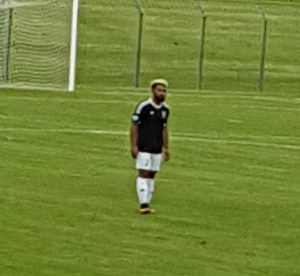 man mountain with a wide shock of bleached hair on the top of his head, and thighs the size of other men’s waists.
 which is close by at the corner of the stand where we are sat. The reason for my eagerness is that Sète is the home of the tielle, a small, spicy, calamari and tomato pie, with a bread like case. I love a tielle, and I love that they are specific to Sete, and are served at the football ground as a half-time snack. I only wish there were English clubs that served local delicacies. Middlesbrough has its parmo, but I can’t think of any others. Do Southend United serve jellied eels or plates of winkles? Do West Ham United serve pie and mash? Do Newcastle United serve stotties? Did the McDonald’s in Anfield’s Kop serve lobscouse in a bun? I need to know. Sadly, I don’t think my town Ipswich even has a local dish. Many English clubs don’t even serve a local beer; Greene King doesn’t count because it is a national chain with all the blandness that entails.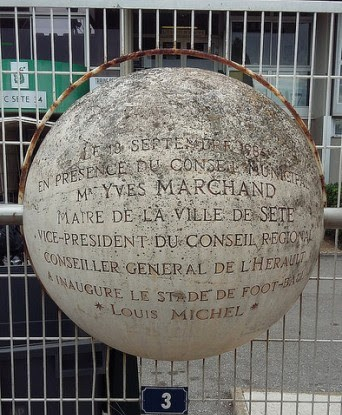
 trippingovertheball